

Bestseller
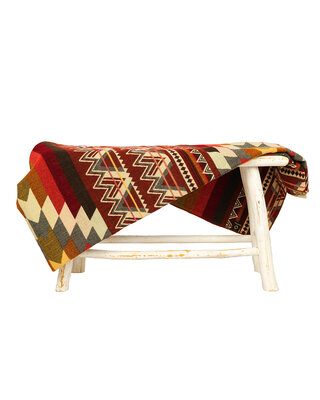
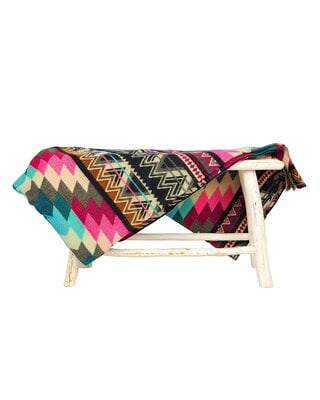
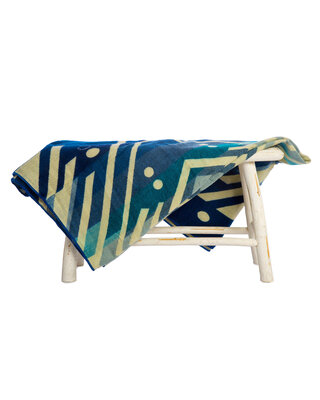
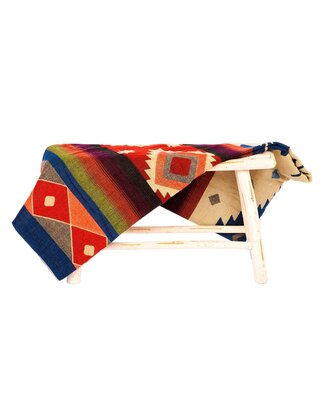
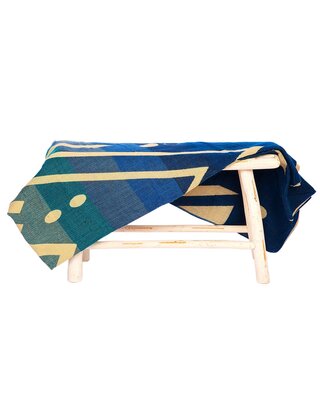
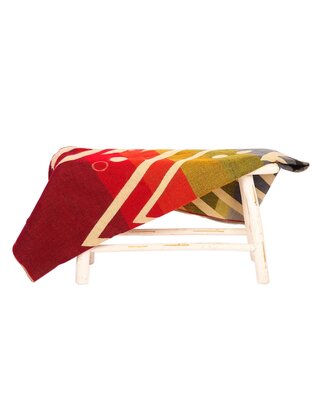
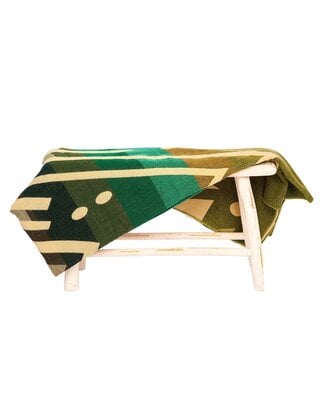
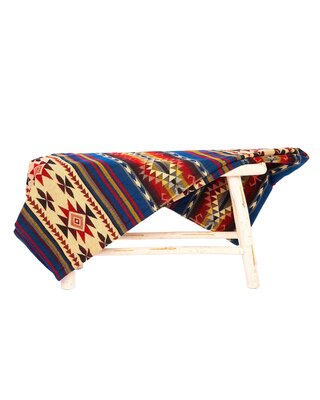
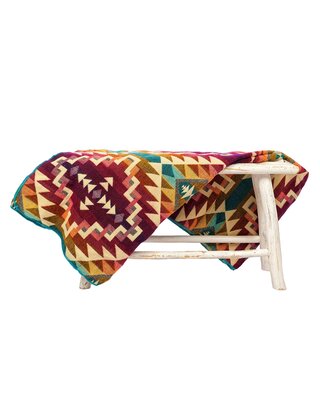
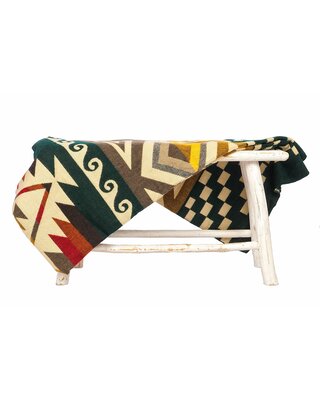
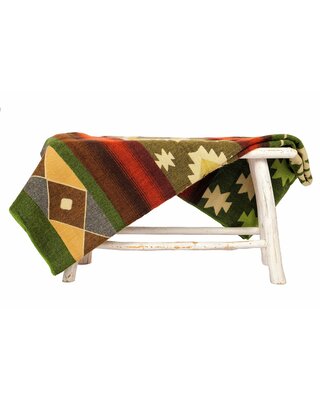
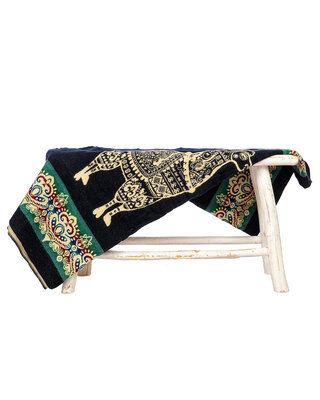
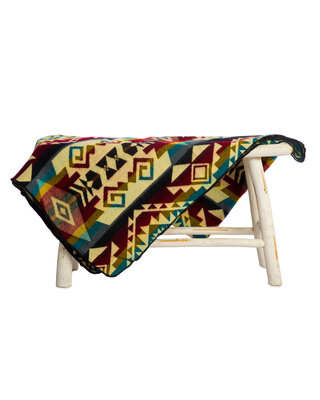
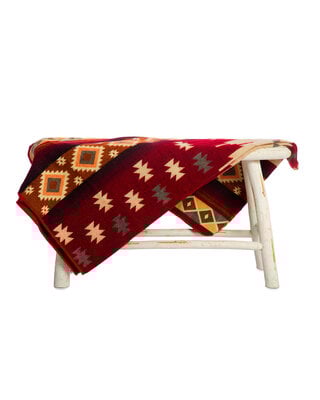
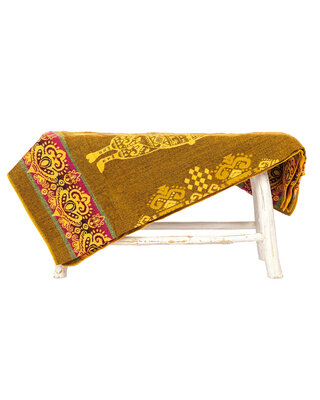
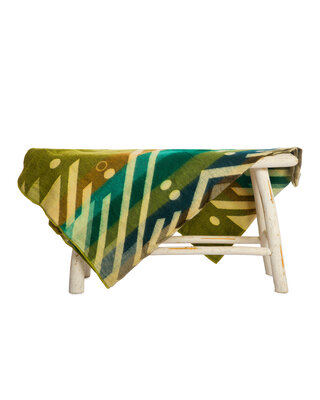
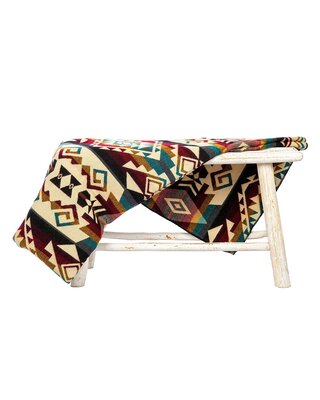
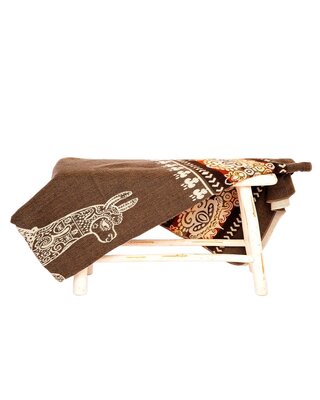
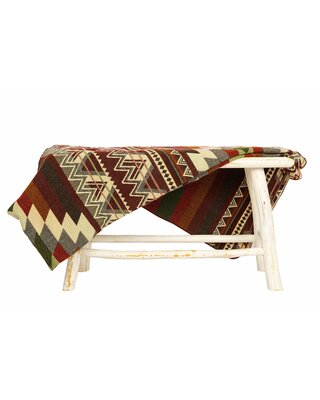
A wool blanket or throw instantly makes your sofa or bed a lot warmer. In this collection you will find blankets made of wool and of wool with cashmere, sourced directly from weavers in Ecuador. Prefer alpaca wool? Then take a look at our alpaca blankets.
Wool is one of the oldest materials for keeping warm, and for good reason. The fibre traps air, absorbs moisture without feeling damp and adapts to your body temperature. That keeps you nicely warm under a wool blanket, without overheating.
This collection includes two types. The wool blankets are sturdy, warm and last for years. The blankets made of wool with cashmere feel softer and more supple, because cashmere is an extra fine fibre. You will find the exact composition and size of each blanket on its product page.
Like the rest of our collection, these blankets come from Ecuador. They are made by weavers in the Andes, who pass their craft down from generation to generation.
The blankets come in different sizes. A smaller size works well as a wool throw over the arm of your sofa or over your legs on a cold evening. A large size goes over the foot of your bed or serves as an extra layer in winter.
Keep three things in mind when choosing:
Combine your blanket with a cushion from our collection for a sofa that feels complete.
All three are natural wool types, but they feel different. Sheep's wool is sturdy and resilient. Cashmere comes from the cashmere goat and is finer and softer than sheep's wool. Alpaca wool comes from the alpaca in the Andes. That fibre is smooth, itches less and insulates very well, so an alpaca blanket often feels warmer at the same weight.
Torn between wool and alpaca? Our large alpaca blankets and mini alpaca throws are a good alternative. Our blog on alpaca wool versus regular wool explains exactly where the difference lies.
A wool blanket hardly ever needs washing. Wool naturally repels dirt and absorbs few odours, so a few hours of airing outside is often enough. A small stain comes out with a damp cloth and cold water.
If the blanket does need washing, always follow the care label. Wool can felt and shrink from warm water and friction. So wash it on a wool or hand wash programme at a low temperature, with wool detergent and as few spins as possible. Let the blanket dry flat and never put it in the tumble dryer.
EcuaFina was founded by Rebecca Braak, who lives in Ecuador and got to know the makers behind the products there. She buys these wool blankets directly from the makers too, without middlemen and for a fair price. That gives the weavers a stable income, and you know exactly where your blanket comes from.
In Zutphen, the Netherlands, you can come and feel the blankets for yourself at Fixxar on the Laarstraat.
There is no fixed difference. A throw is usually a little smaller and lies on the sofa, a blanket is larger and goes on the bed. In this collection we use both words for the same blankets.
Not necessarily warmer, but softer. Cashmere has a finer fibre, which makes the blanket feel more supple. The warmth mainly depends on the thickness and the weave of the blanket.
Only if the care label allows it, and then on a wool or hand wash programme at a low temperature with as few spins as possible. Warm water and friction make wool felt. Airing is usually enough.
Find the order you'd like to withdraw
Enter your email address and order number.
Check your mailbox
If your details match an order, you'll receive an email with a link to view and manage it.